
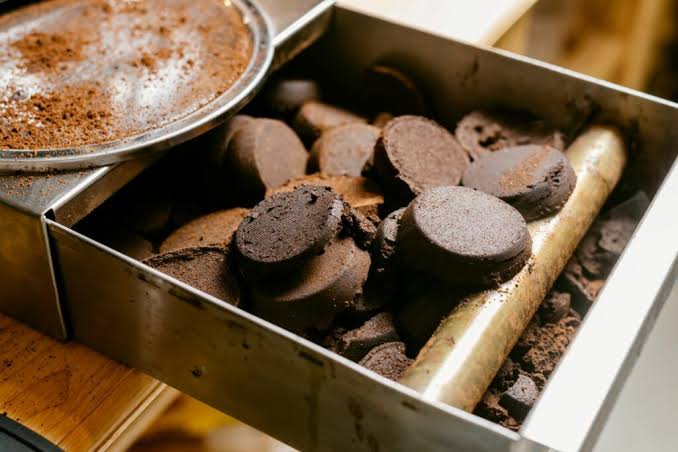
Spent coffee grounds usually meet an unceremonious end—tossed out the moment your coffee finishes brewing. Composting them is the obvious second life, and a genuinely useful one, especially since spent grounds have even been used in reforestation efforts. But compost is only the beginning. Those little brown granules have a surprisingly varied afterlife, from cooking to skincare to a handful of practical household uses.
🍽️ Cooking With Coffee Grounds
In the kitchen, spent grounds can add subtle flavor and texture to baked goods, especially chocolate‑forward desserts where their gentle grit blends right in. They also work unexpectedly well in meat rubs, where their natural acidity helps tenderize and their roasted bitterness deepens the flavor profile. It’s a small but effective way to give dishes a smoky, earthy edge.
🧴 Personal Care (With Realistic Caveats)
Coffee grounds are a classic DIY exfoliator thanks to their texture and compounds like caffeine, which can temporarily increase blood flow. Still, using them on your face comes with caveats: they don’t dissolve, they clog drains, and they leave your bathroom looking like you tried to baptize yourself in a French press. If used at all, they’re best handled in the shower with a drain catcher and a willingness to accept the mess…
🌬️ Mild Deodorizing Uses
Coffee grounds can mildly deodorize small spaces because dry grounds absorb odors similarly to baking soda, though less powerfully. They work well in a shoe box, gym bag, or the cabinet under your sink. They can help neutralize fridge smells if kept completely dry, and they’re decent at the bottom of a lined trash can. Their limits are clear, though: they won’t freshen large rooms, eliminate pet odors, or perform dramatic odor removal.
🐜 Limited Insect‑Repellent Effects
Coffee grounds have a modest role as an insect deterrent. They can disrupt ant trails, discourage slugs and snails with their abrasive texture, and repel mosquitoes only when burned, producing a smoke they dislike. Indoors, their effectiveness drops sharply, and they won’t do much against roaches, spiders, or flies. They’re helpful in very specific outdoor situations, but they’re not a replacement for bug spray.
🎨 Creative Craft Uses
Spent coffee grounds make a warm, earthy natural dye for fabric or paper, giving projects an aged, vintage look. Mixed into paint, they add a gritty texture that works well for rustic or faux‑stone effects. Dried grounds can even be added decoratively to homemade candles for a speckled, coffee‑shop aesthetic. They’re less successful in projects involving moisture—like soaps or air‑dry clay—where they can mold or weaken the structure.
🚫 What Not to Do With Coffee Grounds
Despite their versatility, coffee grounds come with a few hard limitations. The biggest one is plumbing: grounds do not dissolve, and dumping them down the drain can lead to clogs unless you have a food disposer designed to handle fibrous waste. Even then, moderation is important. Using coffee grounds as a facial exfoliator is also questionable—not because it’s ineffective, but because the mess and drain risk outweigh the benefits for most people. Grounds shouldn’t be used in crafts that stay damp, since moisture encourages mold growth. And while they can deter some insects, relying on them as your only repellent is unreliable.



Who new there was so many uses for spent coffee grounds!? Great post Ronan. I think you might need to do a “coffee mask” blog!
Who knew!?!?